Research
I study how population decline, isolation and changes in species’ ranges shape genetic diversity in wild populations. I use whole-genome data to reconstruct demographic history and examine how past events leave signatures of inbreeding, loss of diversity and changes in the frequency of potentially harmful variants. I combine analyses of wild populations with simulations to test which evolutionary processes could explain the patterns we observe.
My research asks when these genomic patterns can help assess extinction risk or guide conservation decisions. In REVEAL, I test how the relationship between genomic erosion and extinction risk varies across species and how much we can learn when only a single reference genome is available. In species-focused projects, I use genomic evidence to investigate population connectivity and local adaptation, and to help assess options for monitoring and translocation.
Ongoing projects
REVEAL
Genomic erosion and extinction risk
Can genomic erosion help explain why some species are more vulnerable to extinction than others? REVEAL investigates how loss of genetic diversity, inbreeding and potentially harmful variants relate to extinction risk in birds, and whether those relationships vary with life-history traits such as generation time and dispersal. The project combines publicly available genomes, population-genetic simulations and machine learning. It also tests which measures from a single reference genome agree with estimates from multiple individuals, helping identify where existing data can support an assessment and where further sampling is needed.


GENODIV
Genomic diversity of Italy’s terrestrial vertebrates
How is genetic diversity distributed within and among populations of Italy’s terrestrial vertebrates? GENODIV builds a comparable genomic baseline across 15–20 species. The sampling plan targets around 40 individuals per species, with whole-genome sequencing at more than 30× coverage and de novo reference assemblies for five species. Comparing genetic diversity and population structure across species can reveal where populations are strongly differentiated or have unusually low diversity. The resulting dataset provides a starting point for more detailed studies of population history and for future genomic monitoring.
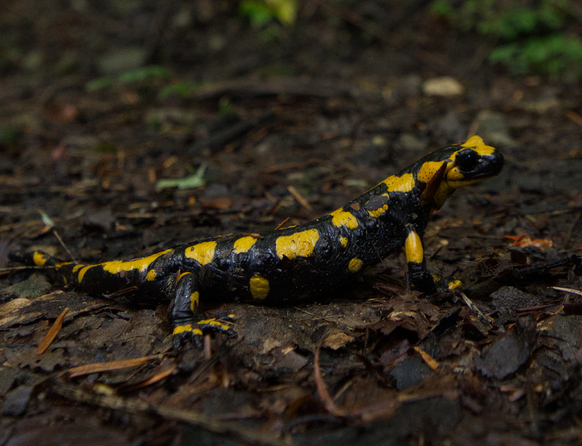
Climate change, range expansion and genetic load
Bombina pachypus
What happens to genetic load when a species expands its range, and how might that affect its ability to track a changing climate? The Apennine yellow-bellied toad offers a natural case study because it expanded northward after the last glaciation. Genomic comparisons along the expansion route help estimate whether potentially harmful variants accumulated during colonization. Spatially explicit simulations then test how the pace of climate change and the rate at which populations colonize suitable habitat interact to shape genetic load and the likelihood of a successful expansion.


Genomic diversity and local adaptation in the Apennine brown bear
Ursus arctos marsicanus
How have long-term isolation and local conditions shaped the genome of the Apennine brown bear? This project compares whole genomes from Apennine bears and other brown bear populations to reconstruct demographic history and characterize the genetic differences that distinguish the Apennine population. The analyses examine both protein-coding and regulatory regions to explore how much of that differentiation could reflect genetic drift or local adaptation. These comparisons can help place the population’s distinctive genetic variation in context when assessing its vulnerability and considering conservation options.


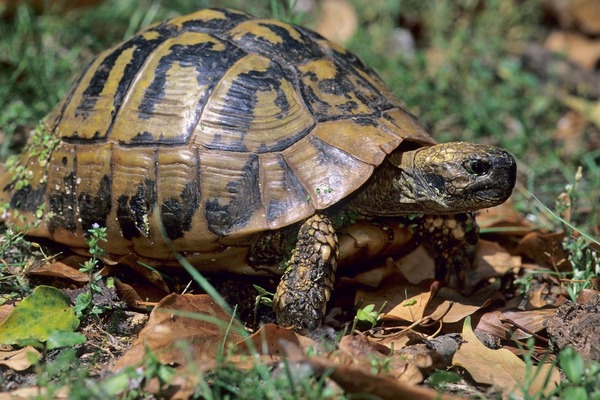
Conservation genomics of Hermann’s tortoise
Testudo hermanni
Where has Hermann’s tortoise lost genetic diversity, and how should that history inform decisions about moving animals between populations? The project combines a reference genome with whole-genome data from both subspecies to reconstruct their divergence, identify past bottlenecks and locate populations with low diversity or high inbreeding. It also examines genomic regions associated with immunity and sensory function. Together, these analyses can help assess the risks of mixing historically differentiated populations and provide genomic evidence for decisions about translocation.
Secretarybird conservation genomics
Sagittarius serpentarius
How genetically distinct are secretarybird populations in Tanzania and South Africa, and what does that mean for conservation? A chromosome-level reference genome supports comparisons of population structure, genetic diversity, inbreeding and the burden of potentially harmful variants. The project examines whether populations warrant separate management and where improved connectivity could be beneficial. The findings can inform evaluations of habitat corridors and translocations, while the genomic data provide a baseline for tracking changes in diversity and inbreeding through long-term monitoring.


FIASCO: Why some colonizations succeed and others fail
Littorina saxatilis
Why do some populations establish and persist in new environments while others disappear? The rough periwinkle offers multiple examples of successful and failed colonization, allowing FIASCO to compare outcomes across populations of the same species. The project combines whole-genome data with phenotypic measurements and ecological data to test how demographic history, loss of genetic diversity, genetic load and local conditions relate to establishment and persistence. This comparison can help identify which factors matter consistently across colonizations and which depend on the environment or the population’s history.


Past projects
Population genomics of the meadow spittlebug
Philaenus spumarius
How have geography and climate shaped the meadow spittlebug, the main insect vector of Xylella fastidiosa in Europe? The study generated a chromosome-level reference genome and resequenced 430 individuals. It identified distinct lineages associated with boreal, temperate and semi-arid environments, and found evidence of local connectivity alongside limited long-distance dispersal. In Apulia, genomic scans highlighted candidate regions under selection, including genes in the sulfotransferase family. These results help explain how population history and local adaptation have shaped genomic variation in the species.


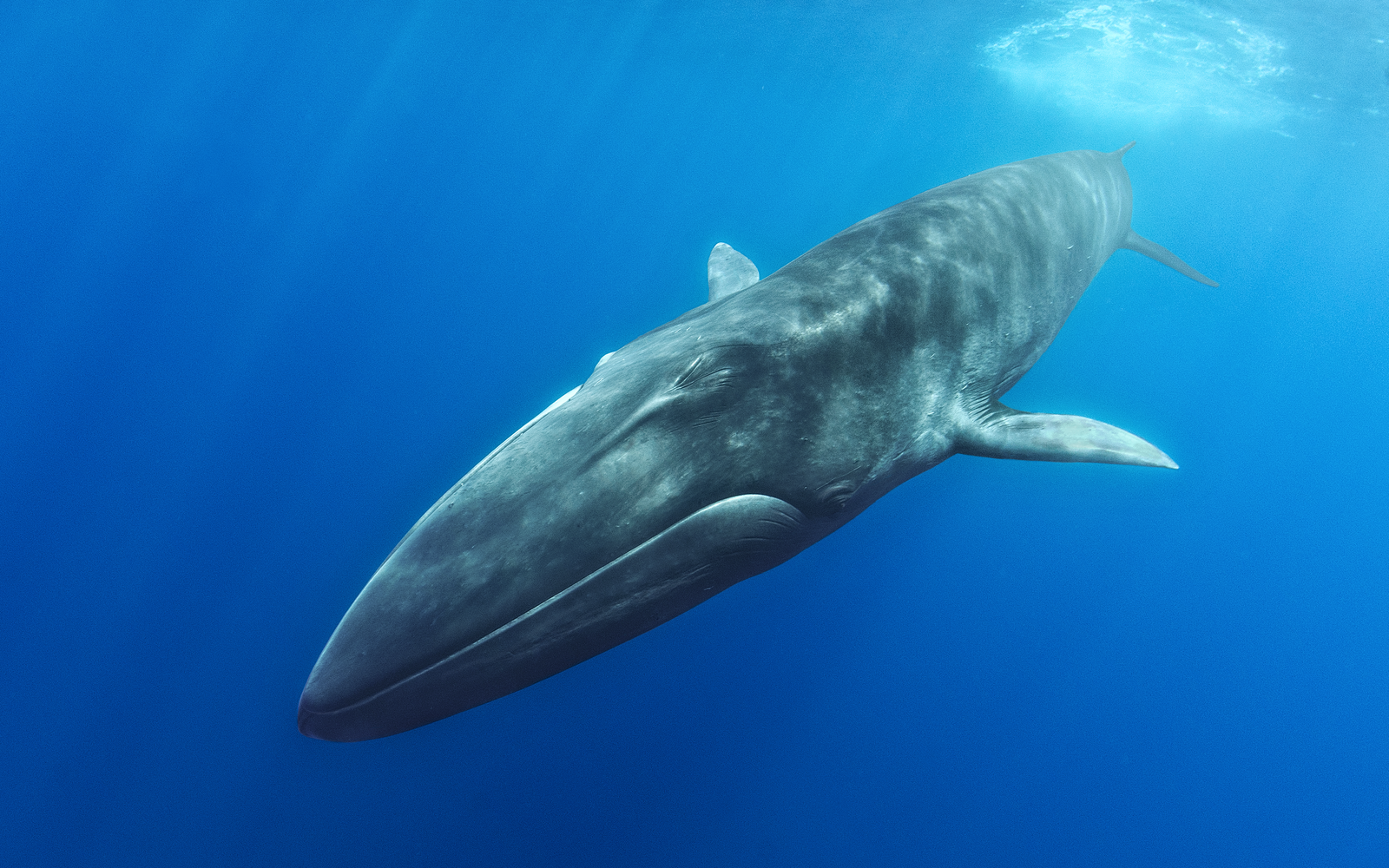
Fin whale population genomics
Balaenoptera physalus
How isolated are Mediterranean fin whales from neighbouring Atlantic populations? The study compared whole genomes from the Mediterranean, Atlantic and Pacific to reconstruct population history and assess genetic diversity and connectivity. Mediterranean fin whales were genetically differentiated from North Atlantic populations, with some Mediterranean individuals showing evidence of Atlantic ancestry. This variation within the Mediterranean matters for conservation because the population’s distinctiveness and its connections with the Atlantic both help explain the genomic patterns observed today.
An Adriatic sturgeon reference genome
Acipenser naccarii
What can a reference genome reveal about chromosome evolution in a critically endangered fish? The study produced a chromosome-level genome assembly for the Adriatic sturgeon, whose genome retains the legacy of whole-genome duplication. Comparisons with other sturgeon genomes identified both conserved chromosome regions and differences in chromosome organization. The assembly provides a framework for studying genome evolution in polyploid fishes and a reference for future population genomic analyses of the Adriatic sturgeon.


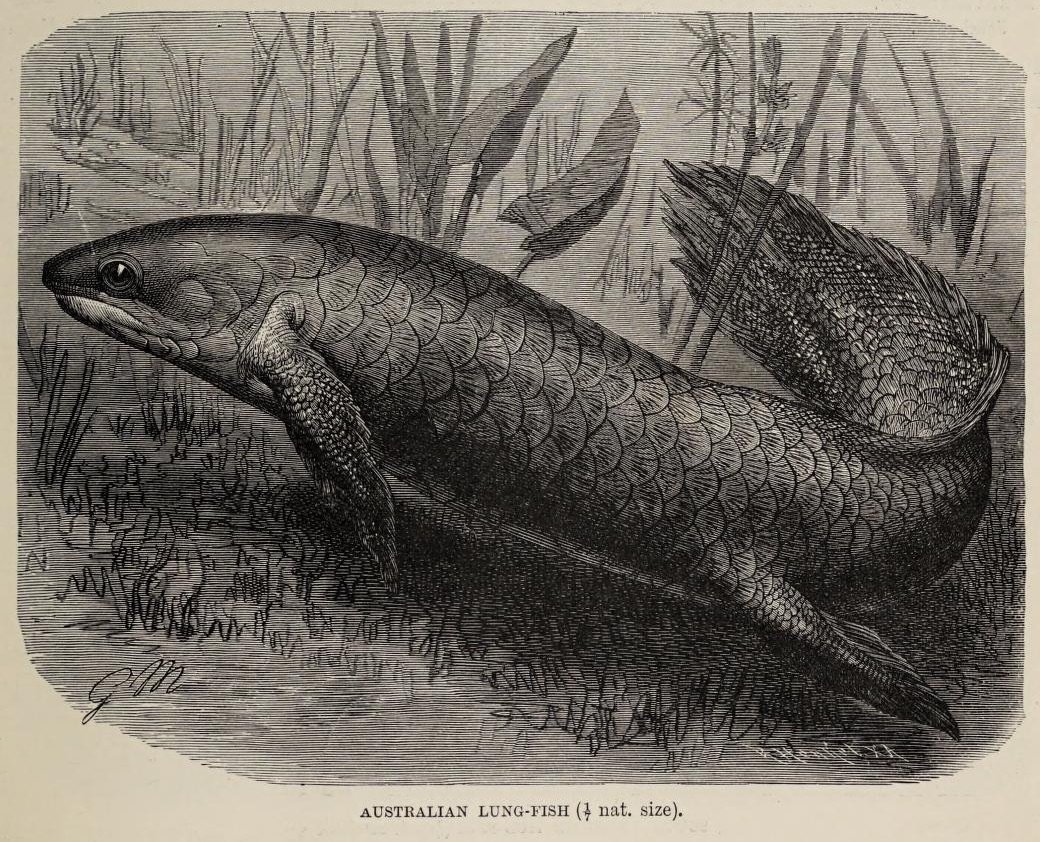
The origins of Australian lungfish populations
Neoceratodus forsteri
Were Australian lungfish native to rivers where historical records describe introductions? The study used genetic data and demographic modelling to compare alternative histories of native populations and human-mediated translocations. The results supported the presence of lungfish in some rivers before the documented introductions. Reconstructing those origins matters for conservation because management decisions can depend on whether a population represents long-established native diversity or derives from fish introduced from elsewhere.